Drop us a line at hello@flossy.com
How a multi-location DSO tripled new patient conversion in three months
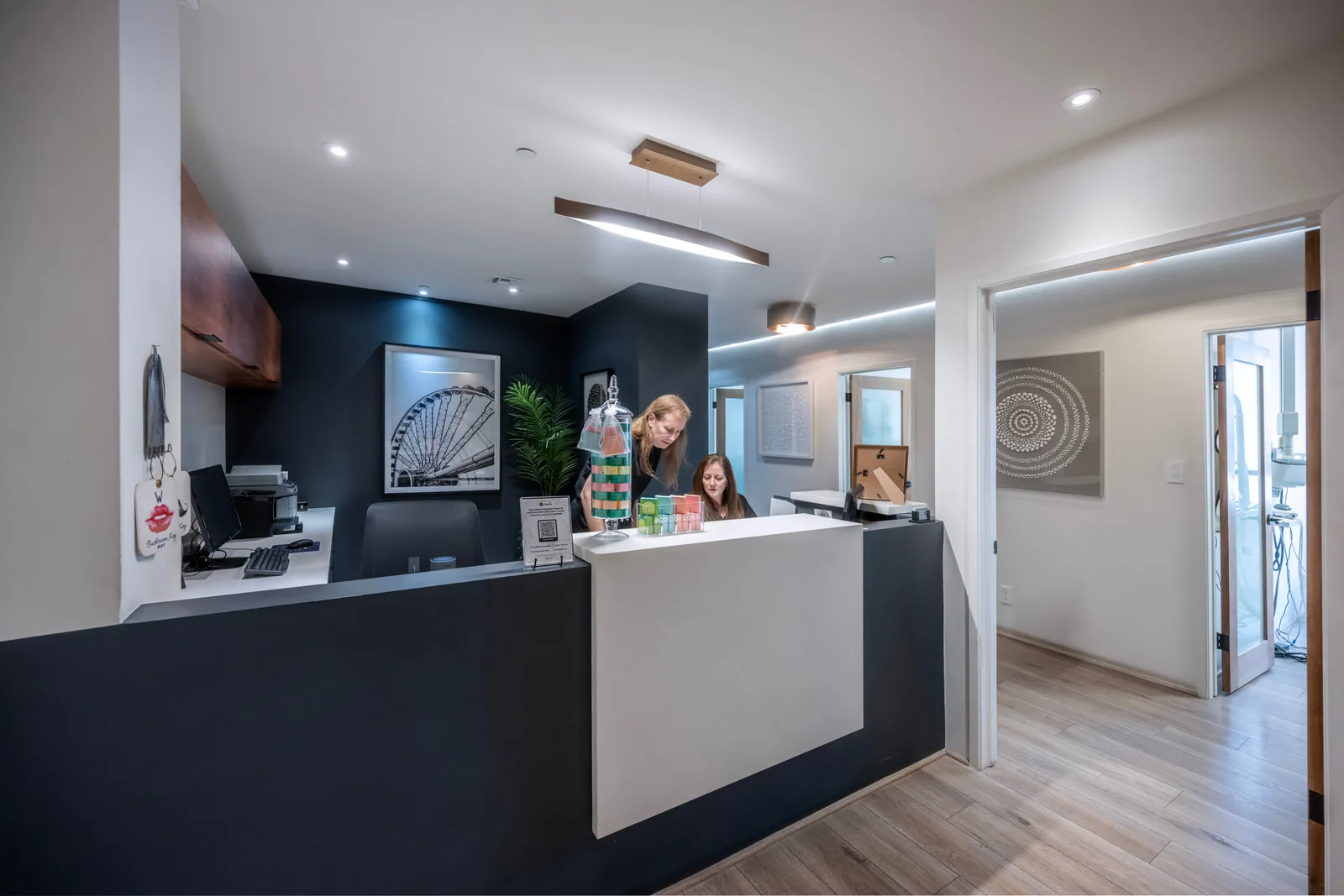
A leading pediatric dental group serves tens of thousands of patients a month across a large West Coast network of practices. Every new patient, every reschedule, every after-hours question runs through one centralized call center, making it the group's biggest growth lever as well as its biggest bottleneck.
After-hours calls were leaking bookings the call center couldn't catch
The group's patient base was largely working parents, who tended to call to book appointments only after the workday ended, picking up the kids, and getting home. By the time most parents had a moment to dial, the call center was closed. The phones kept ringing into the evening, on weekends, and overnight, with no one on the other end.
The team had tried to close the gap by bringing in offshore call center agents to cover the 5pm to 8am window and emergency overflow. The arrangement underperformed from the start. Agents needed continuous retraining, and any gap in that training translated directly into lost bookings and customer service complaints. Agents got sick or went on vacation, leaving the same coverage holes the offshore model was meant to fix. Sourcing Spanish-speaking agents was also a challenge, since many offshore call centers rarely had them.
The result was that the operational problem persisted in a new form. After-hours calls were being answered, but the experience wasn't consistent, and the team was spending significant time managing a workforce that was not always getting better month over month.
"Pediatric can be very unforgiving. A family that calls and doesn't get through will just book down the street and you may never get the chance to see them again."
Chief Operating Officer
Multi-location Pediatric DSO
Deploying Fiona on every call, starting with the after-hours window
The group partnered with Flossy to deploy Fiona, Flossy's AI voice agent, across every location. Fiona handles inbound calls and books appointments directly into the practice's PMS, including after hours, on weekends, and during peak volume when the centralized call center is already at capacity. Fiona is also multilingual by default, handling Spanish, Japanese, and Hindi alongside English, which removed the recruiting problem the offshore model had never fully solved.
The initial deployment focused on the after-hours window, the original pain point, with Fiona picking up calls between 5pm and 8am and on weekends. From there, scope expanded. As the team observed Fiona's performance on after-hours bookings, the deployment was widened to cover daytime overflow and full-call-center coverage across every location.
Unlike the offshore agents, Fiona did not require retraining cycles, sick coverage, or vacation backfill. The Flossy team continuously tuned the system based on real call data, testing which voice patients engaged with, which greetings kept parents on the line, and how to phrase scheduling questions so more parents said yes. The improvements compounded month over month, with the system getting measurably better at every category of call.
Multi-Location Pediatric DSO
Subscribe to our newsletter
New patient conversion tripled in three months
New patient conversion through Fiona more than tripled in three months, climbing from 14.8% in January to 51.9% by March. The top-performing locations went further, with one reaching 100% new patient conversion in March and another hitting 88%.
Rep requests fell 79% over the same period, from 324 in January to 69 in March, as Fiona resolved the overwhelming majority of calls end to end without escalating to a human. The schedule rate climbed from 9% to 58.3% in two months, and the hangup rate fell from 13.7% to 2.7% over the same window, meaning far fewer parents gave up before reaching a booking. Reschedule completion roughly doubled, reducing empty chairs from no-shows that previously went unrebooked, and geo-routing accuracy improved in parallel, with the unassigned call rate falling from 36.9% to 17.2%.
For the working parents who had been the original problem, the experience changed first. A parent calling at 7pm after picking up the kids no longer reached voicemail or an offshore agent reading from a script. They reached Fiona, who asked the right questions, found the closest location, and booked the appointment before they hung up.
More Customer Stories
How Children's Dental FunZone reactivated hundreds of overdue patients with Flossy
How Signature Dental Partners grew new patient bookings 8x with Flossy
